


RESILIENCE MONITORING AND ANTICIPATION SYSTEM
COASTAL IN CHILE
Proyect FONDEF IDeA I+D 2022 (ID22I10087)
How was the Project born?
Has it ever happened to you that you observe your surroundings more deeply and discover a multitude of things and details that had gone unnoticed?
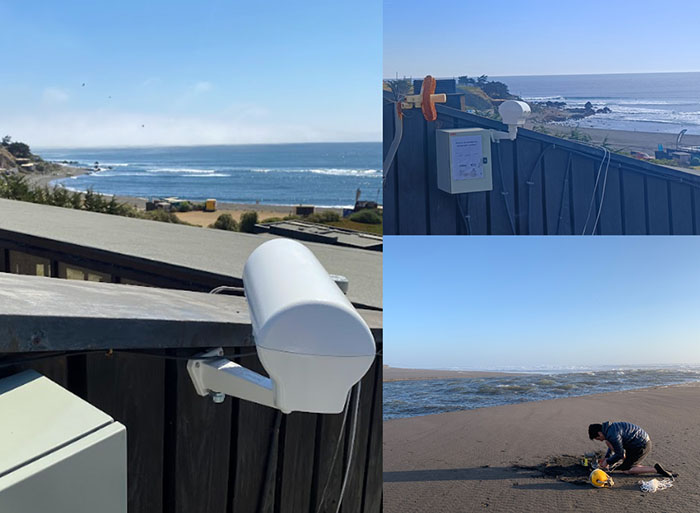
If we stop and pay attention, we will often be surprised to find things we have overlooked. However, as we change the environment or location these details can disappear from our perception.
When we want to observe something in particular, it is necessary to shift our attention to appreciate the details of the new thing we want to look for. Now, imagine that, instead of our eyes, we use a camera that focuses constantly, without pauses. This camera would allow us not only to observe, but also to measure, analyze, which opens a
When we want to observe something in particular, it is necessary to shift our attention to appreciate the details of the new thing we want to look for. Now, imagine that, instead of our eyes, we use a camera that focuses constantly, without pauses. This camera would allow us not only to observe, but also to measure, analyze, which opens a
What does it consist of and where is it located?
SIMONA Costa is an advanced coastal resilience monitoring and anticipation system that is characterized by combining technology tools to capture video images, meteorological and oceanographic forecasts, with an approach that involves participatory work and workshops with communities. (name some). Its main objective is to provide highly adapted and relevant information for decision-making in the management of coastal areas, as well as for the productive, leisure and tourism activities that the area has. The place where this project is being carried out is in the Pichilemu Commune, Libertador General Bernardo O'Higgins Region, specifically in the coastal areas of Punta de Lobos and Cáhuil.
Who benefits?
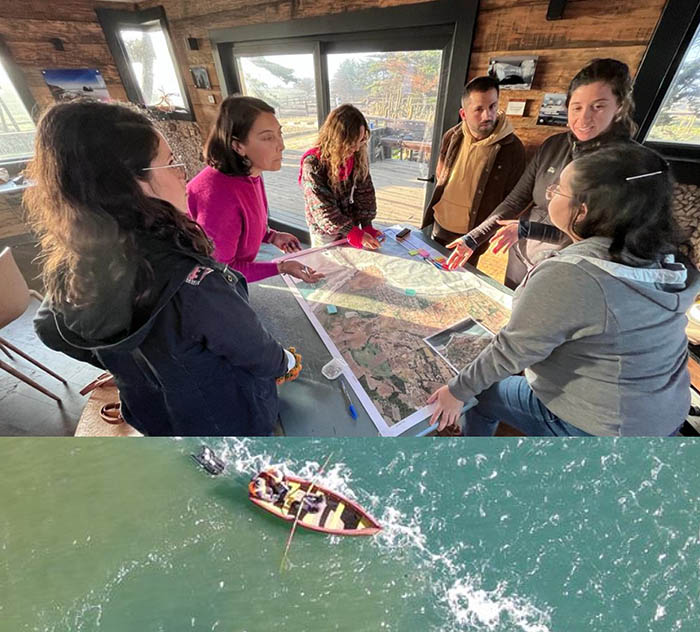
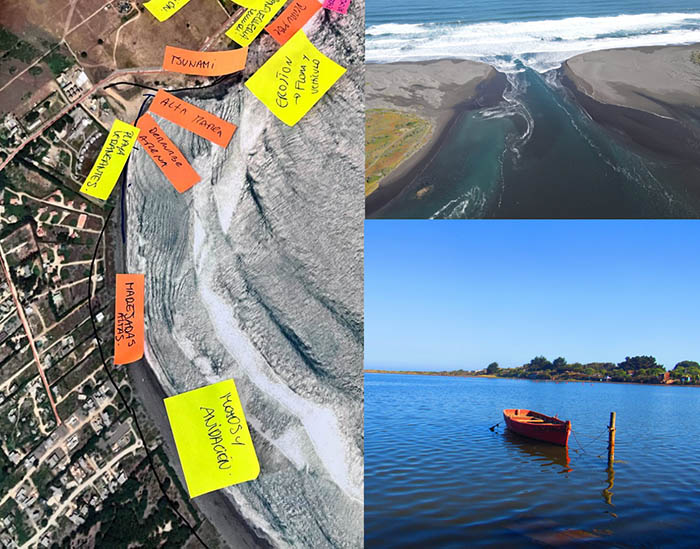
The Project generates various benefits to the community and neighbors who live near the areas of Cáhuil and Punta de Lobos. Furthermore, this extends to various actors with a close relationship with productive activities and a natural dynamic of the coastal zone. On the other hand, in the Nilahue estuary in Cáhuil, oyster farmers, salt farmers and boatmen oriented to recreational services coexist, where their activities depend directly on the flow, the level of dissolved oxygen and the salinity of the estuary, which vary depending on the opening. or closure of the bar at the mouth of the estuary. Meanwhile, in Punta de Lobos, there is great interest from the tourism sector, particularly those related to water and nautical sports. In addition, there are organizations dedicated to the conservation of biodiversity and the ecosystem of flora and fauna species in the area.
What results does it deliver and what are the project projections?
It is expected that in the medium term, the information generated by SIMONA COSTA will contribute to defining strategies aimed at controlling and reducing exposure to coastal flooding, promoting safe and sustainable tourism development in the area, and facilitating adaptation to climate change.
To achieve these objectives, it is essential to first collect several months' worth of data and information in the study areas. Subsequently, new “Artificial Intelligence” tools will be applied that will complement the analyzes and forecasts provided by the current tools available.
With this, it is expected that this information will allow anticipating wave conditions and their possible impacts on built and natural systems in forecast windows of 1 to 7 days.
To achieve these objectives, it is essential to first collect several months' worth of data and information in the study areas. Subsequently, new “Artificial Intelligence” tools will be applied that will complement the analyzes and forecasts provided by the current tools available.
With this, it is expected that this information will allow anticipating wave conditions and their possible impacts on built and natural systems in forecast windows of 1 to 7 days.
Beneficiary institutions


Associated institutions


Collaborating institutions


